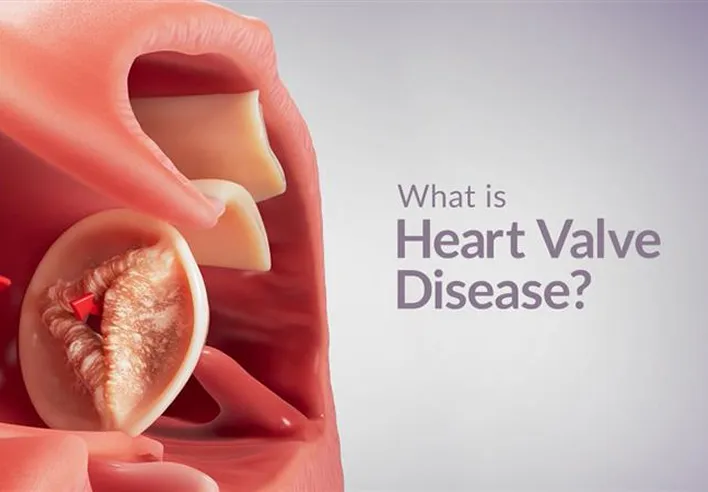
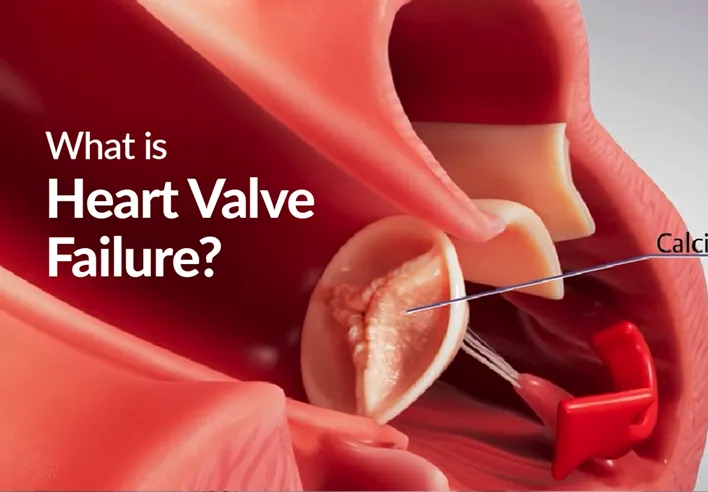
Heart valve failure can accelerate without warning. A pit stop to get screened can help you stay in the race.

Stay in the Race
IS HEART VALVE FAILURE IN YOUR BLIND SPOT?
Heart valve failure (also called severe aortic stenosis) can develop silently and worsen quickly, sometimes without noticeable symptoms. Many adults 65+ don’t realize they may have underlying heart valve disease.
Why screening matters
A simple heart valve screening is important, even if you feel “fine.” A heart murmur may be the first sign — and it can often be found during a routine check.
Take a Risk Assessment
THE REALITY OF HEART VALVE FAILURE

Americans have heart

of people know little or nothing about heart

people with symptomatic heart valve failure may die within 5 weeks while waiting for treatment.

CHECK THE WARNING SIGNS
Heart valve failure can be easy to miss. Some people have few or no symptoms at all. Take the wheel and ask your doctor to listen to your heart.
You may be at higher risk if you have:

an age of 65+

Family History of Heart Conditions

High Blood Pressure

Diabetes
HEART VALVE RISK CHECK
Complete an easy 5-question assessment to better understand your risk factors for heart valve failure.
This quick check is for awareness only. It does not provide a diagnosis and
is meant to help you prepare for a conversation
MAKE A PIT STOP AT THE DOCTOR'S OFFICE
At your appointment, you can ask:
Can you listen to my heart for a murmur?
Should I have a heart ultrasound?
Heart valve failure is serious, but it is treatable. Early diagnosis can help ensure timely care and may lower the risk of an emergency hospital visit.
MORE RESOURCES
When it comes to your health, you’re in the driver’s seat.
Learn more and take action.